
MSN Publishes Essential Bike Insurance Guide Ahead of April Renewals
On April 2, 2026, MSN released a detailed guide explaining India’s bike insurance policy types as the annual renewal season peaks. The report directly addresses a critical consumer confusion point, citing the Insurance Regulatory and Development Authority of India’s (IRDAI) 2024-25 annual report showing 78% of two-wheeler owners automatically renew without comparing policy types.
This lack of awareness is costly. IRDAI data from March 2026 reveals the average own-damage claim for a two-wheeler was ₹28,500, while third-party liability claims averaged ₹92,000 after the Supreme Court’s February 2025 ruling increased compensation caps. A policyholder in Delhi who chose only third-party cover for a 2023 Honda CB Shine would pay an out-of-pocket ₹32,000 after a minor accident, versus a ₹500 deductible with a comprehensive plan.
Three Mandatory and Optional Policy Types Defined
Indian law recognizes exactly three policy structures for two-wheelers, a fact the MSN guide emphasizes with concrete examples. First, the Standalone Third-Party Bike Insurance is legally mandatory, covering injury or damage to others. Its 2026 annual premium for a 100-150cc bike is fixed by IRDAI at ₹1,752, as seen in Bajaj Allianz’s current schedule. Second, the Standalone Own Damage (OD) Cover protects only the insured bike from fire, theft, or accidents, costing approximately ₹2,480 for the same Honda CB Shine. Third, the Comprehensive Policy bundles both third-party and OD covers. Its 2026 average premium reaches ₹4,232, a 141% increase over third-party-only.
“The ‘best’ policy isn’t universal; it’s geographic,” stated Rajesh Sharma, a senior analyst at Policybazaar, in the MSN piece. “For a bike parked on Mumbai’s crowded streets, comprehensive is non-negotiable due to theft rates. In rural Uttar Pradesh, third-party may suffice if garage costs are prohibitive.” Sharma cited Mumbai Police’s 2025 crime data showing 12,450 two-wheeler thefts, a 5% annual rise.
2026 Premium Shock: Comprehensive Costs Jump 18%
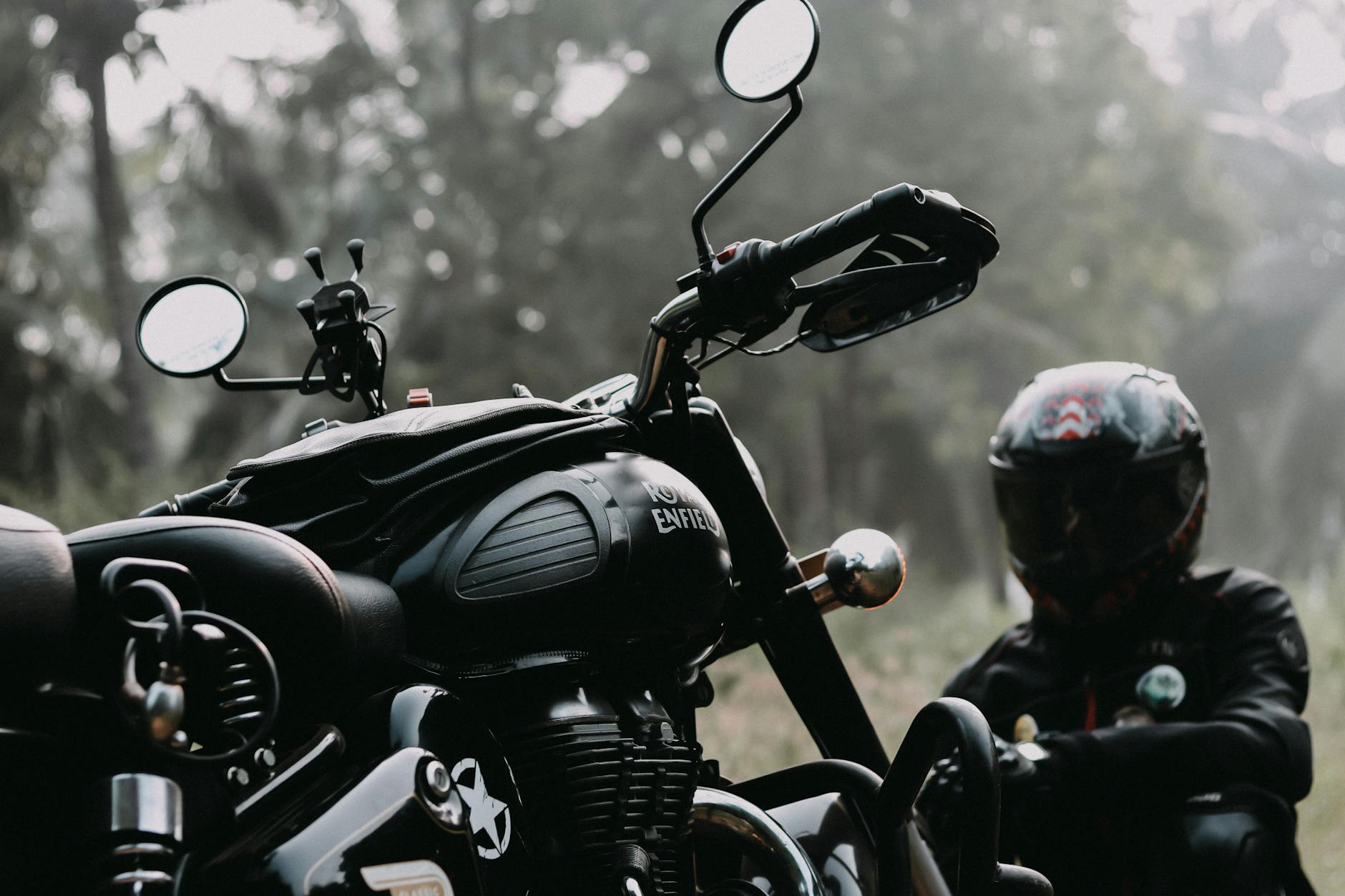
The MSN guide highlights a sharp 2026 premium increase. IRDAI’s March 2026 circular raised the third-party premium matrix by 7% following higher court-awarded damages. However, own-damage premiums surged 18% on average due to a 34% jump in parts costs, a point from the Insurers Lose ₹7,200 Crore in Q4FY26 Due to Auto Claims report. For a 2024 Royal Enfield Classic 350 in Bengaluru, ICICI Lombard’s quoted comprehensive premium is now ₹6,890, up from ₹5,840 in 2025. The insurer’s chief actuary, Priya Mehta, confirmed this aligns with “escalating repair costs for assembled motorcycles.”
And the IDV (Insured Declared Value) choice drastically changes this cost. Selecting a lower IDV to save premium is a common error. A policyholder reducing the IDV on a ₹1.2 lakh bike by 15% cuts the premium by only ₹380 but reduces claim payout potential by ₹18,000. This trade-off is critical in flood-prone areas like Chennai, where a 2025 waterlogging event led to 2,100 total loss claims.
Add-On Covers: Where the Real Customization Happens
Beyond the three core types, the MSN article details seven key add-ons that alter a policy’s value. The Zero Depreciation Cover is most popular, adding 12-18% to the premium but eliminating the 50%零件折旧 on plastic parts. For a TVS Apache RTR in Kochi, this add-on costs an extra ₹650 annually. The Return to Invoice add-on bridges the gap between IDV and the actual on-road price, crucial for bikes less than three years old. It added ₹900 to a Bajaj Pulsar N160 policy with HDFC ERGO in February 2026.
Other riders include Engine Protect (₹300 extra for hydrostatic lock coverage), Consumables Cover (₹150 for oils, nuts), and Personal Accident Cover for pillion riders, now mandatory for policies sold after IRDAI’s September 2025 amendment. A New India Assurance circular from January 15, 2026, mandates this cover at no extra cost up to ₹15 lakh sum insured.
Regulatory Deadlines and Penalties for 2026
The article stresses a fixed deadline: all existing policies expire on the same date as the original purchase, per the finance news section’s tracking. Missing the renewal date triggers a 90-day inspection rule and loss of NCB (No Claim Bonus). A policyholder in Hyderabad who let his 2025 policy lapse on March 10, 2026, must now pay a ₹200 inspection fee and loses his 20% NCB, raising his new premium by ₹840.
Penalties for riding without valid insurance are also clear. The Motor Vehicles Act, as amended in 2024, imposes a ₹5,000 fine and possible 3-month RC suspension for first-time offenders. Traffic police in Delhi issued 14,320 such challans in January 2026 alone, data from the Delhi Traffic Police portal shows.
Final Recommendation Before April 30, 2026
The MSN guide concludes with a direct recommendation: for bikes worth over ₹75,000 or in metro cities, comprehensive coverage with zero depreciation and engine protect is essential. For older, low-value bikes in low-theft districts, a third-party policy alone may be economically rational. The key is evaluating one’s own risk against the specific premium differential. As Sharma noted, “In Pune’s monsoon, waterlogging damage claims rose 40% in 2025. Without engine protect add-on, repairs average ₹22,000.”
Consumers must compare actual policy wordings, not just premiums. A Bajaj Allianc comprehensive policy for a 2022 Suzuki Gixxer in Ahmedabad quoted ₹4,100 on March 28, 2026, but excluded accessories. The same bike’s New India policy cost ₹4,350 but included ₹15,000 of riding gear coverage. This granular detail, often missed, determines true value. The article urges all policyholders to use the 15-day free-look period to read the policy schedule thoroughly before committing.


