


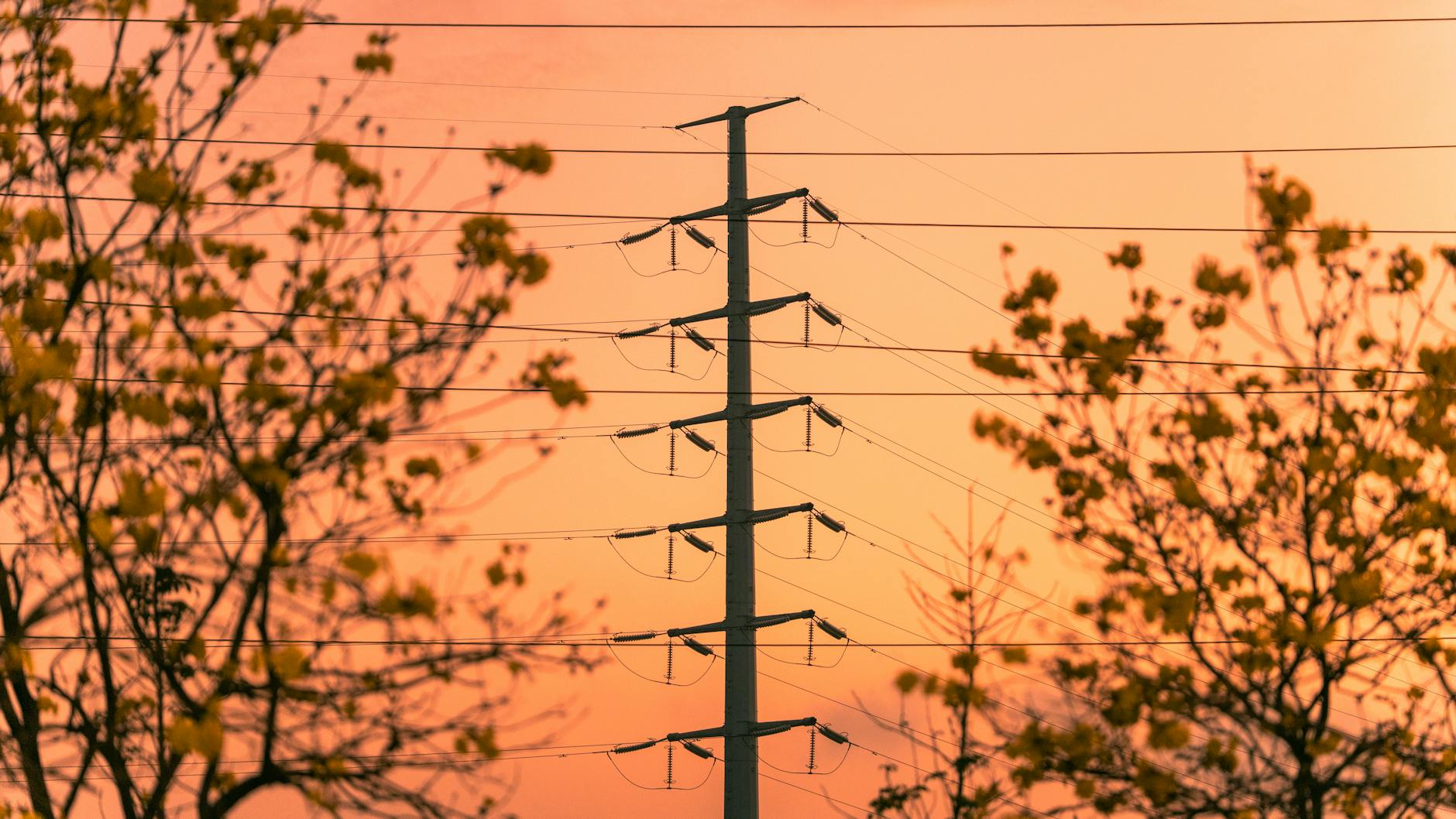
New Delhi, 20th March 2026: A CEO Roundtable on Power Distribution was held under the draft National Electricity Policy, 2026. It’s a start. The meeting, chaired by Shri Pankaj Agarwal, Secretary, Ministry of Power, focused on reforms to strengthen the distribution segment and ensure financial sustainability of DISCOMs. This is crucial. Still, the sector faces challenges.
Even so, the draft National Electricity Policy, 2026, provides a clear strategic direction for the power sector. It’s a step forward. The Policy aims to increase per capita electricity consumption to 2,000 kWh by 2030 and over 4,000 kWh by 2047. That said, the numbers tell a different story. India’s climate commitments require a decisive shift towards low-carbon energy sources. Finance will play a key role.
What are the key challenges facing the power distribution sector?
Consider this: the financial sustainability of the distribution sector is a major concern. Analysts say that optimization of power procurement and reduction of Aggregate Technical & Commercial (AT&C) losses are essential. Here’s the thing: the Policy proposes the introduction of shared distribution networks and GIS-based asset mapping to improve operational efficiency and service delivery. It won’t be easy. However, the benefits will be significant.
Meanwhile, the draft Policy prioritizes strengthening the quality and reliability of supply.Officials pushed back against the idea that this would be a costly exercise. They’re right. The benefits of optimal network redundancy and stricter enforcement of service standards will be substantial. Even so, the question remains: can India achieve its goals? What’s the plan? The answer lies in the details. Electric power distribution is a complex topic.
Still, the draft National Electricity Policy, 2026, provides a comprehensive framework to address sectoral challenges. It’s a good start. The Policy outlines strategies to enhance efficiency and accountability, including the introduction of a Distribution System Operator (DSO) to facilitate the integration of distributed renewables, energy storage systems, and Vehicle-to-Grid (V2G) technologies. That said, the devil is in the details. The success of these reforms will depend on their implementation.
How will the reforms impact the sector?
While the reforms are welcome, they won’t be easy to implement. However, the benefits will be significant. The introduction of shared distribution networks and GIS-based asset mapping will improve operational efficiency and service delivery. The establishment of a DSO will enable optimal utilization of resources through local energy markets and improve consumer participation. Even so, the sector faces challenges. The key is to address them. Regulatory bodies will play a crucial role.
In contrast, the draft Policy’s focus on financial sustainability is a positive step. The optimization of power procurement and reduction of AT&C losses will help DISCOMs become more financially viable. This is crucial. Still, the question remains: can India achieve its goals? The answer lies in the implementation. It’s time to start. The sector won’t change overnight. However, with the right reforms, it can become more efficient and sustainable.
Even so, the journey ahead won’t be easy. The sector faces challenges. It’s time to address them. The draft National Electricity Policy, 2026, provides a comprehensive framework to address sectoral challenges. LIC, as a key player, will play a crucial role in the sector’s development. The future is uncertain. However, one thing is clear: the power distribution sector is set for reforms. LIC and the power distribution sector will be closely watched.

