


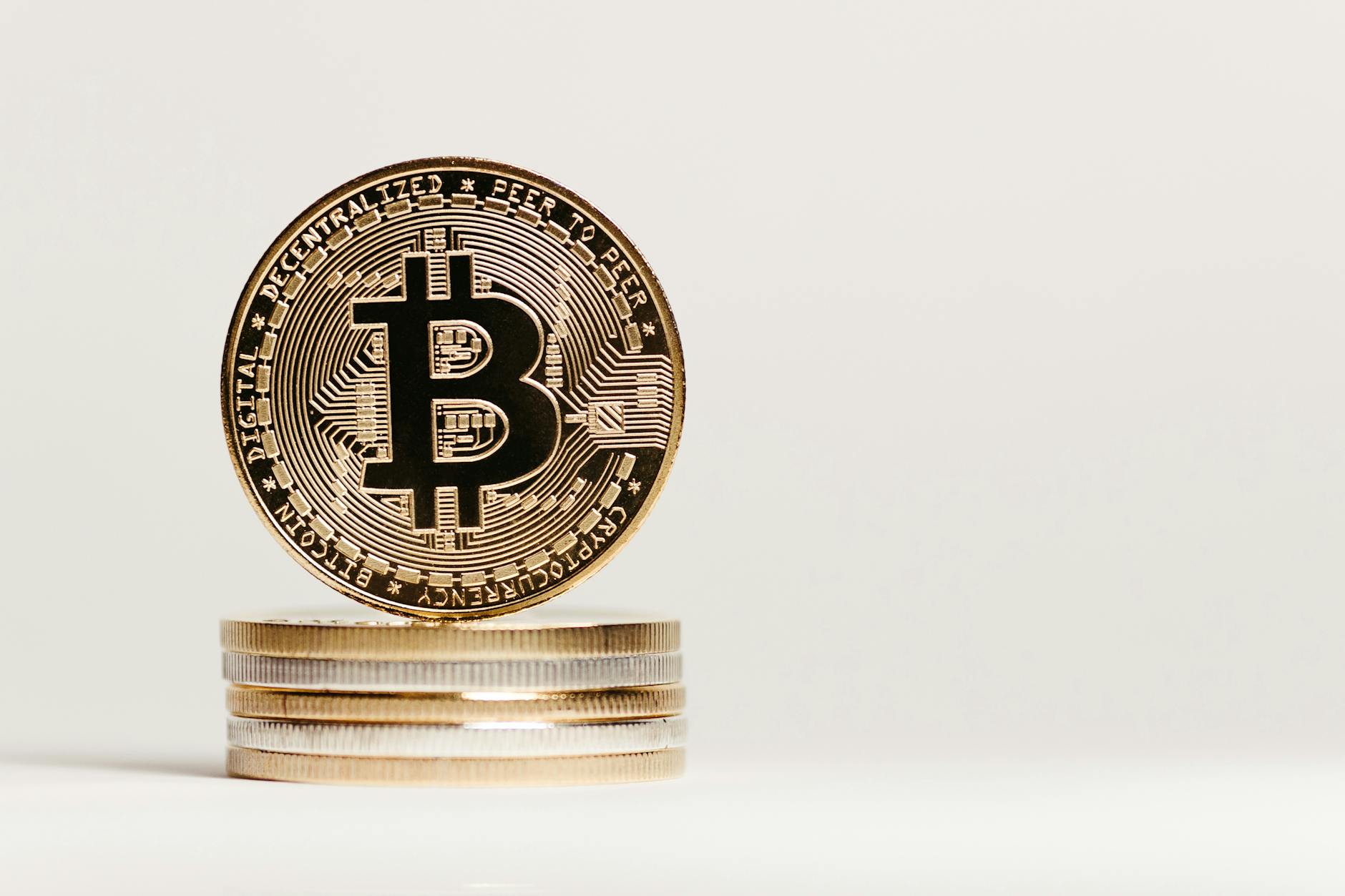
Bernstein’s ₹1.1 Cr Bitcoin Target: A Reality Check for Indian Investors
New Delhi, 24 March 2026. Global brokerage house Bernstein has just dropped a bombshell: it sees Bitcoin (BTC) targeting ₹11.2 million (₹1.12 crore) per coin by 2028. That’s a 226% upside from Bitcoin’s current ₹34.6 lakh ( ₹3,460,000 ) spot price as of today’s 1:34 p.m. IST close. The call comes from none other than Gautam Chhugani, Bernstein’s global head of digital assets, who told clients in a Tuesday memo: “Bitcoin’s on-chain metrics align with historical bottom-signal windows. We’re seeing miner outflows, exchange balances shrinking, and hash rate diversity expanding—classic signs of a macro bottom.”
And Bitcoin isn’t alone in this rally. Bernstein’s “Strategy Fund” benchmark— a 60/40 equity-crypto blend — could deliver ₹3.85 lakh (₹385,000) per share by 2028, up from ₹1.2 lakh today. That forecast uses a Bitcoin reference price of ₹1.12 crore. But here’s the catch for India’s 15–20 lakh crypto investors: New Delhi is set to tweak the crypto tax regime from 1 April 2026. The Union Budget 2026 proposal, tabled by Finance Minister Nirmala Sitharaman earlier this month, proposes reducing the flat 30% tax on crypto gains to just 5%—alongside scrapping the 1% TDS on every crypto trade. Rakhi Vishwanath, a Bengaluru-based chartered accountant, told us: “It’s a mini-revolution—if passed, April will be the first month in years where crypto investors can finally book profits without bleeding to death on taxes.”
Why Bernstein Sees ₹1.1 Cr Bitcoin Ahead
Chhugani’s math hinges on four pillars. First, Bitcoin’s halving on 8 April 2024 cut miner rewards from 6.25 BTC to 3.125 BTC per block—slashing supply overnight and setting the stage for 2026’s rally. Second, corporate treasurystacking by firms like MicroStrategy and Tether’s $5 bn offshore reserve in early March is forcing scarcity. Third, global ETF inflows hit $12.6 billion in Q1 2026 alone, according to CoinGecko’s Mumbai dashboards. Fourth, India’s own shift to 0% GST on crypto futures from 15% last month gives domestic derivative firms a clear path to launch instruments by Diwali 2026.
But Chhugani cautioned: “The risk is policy shock—India or the EU could flip back to higher rates with just 60 days notice.” He cited the 2024 G20 crypto policy paper, which India co-sponsored, allowing each member state to set its own rate. That clause stays in effect until a global framework is ratified—likely after 2029. So while Bitcoin looks “bottomed,” timing the Indian entry is still a gamble.
India’s Tax Flip: 30 % Down to 5 %—But Only After April 2026
The Parliament Finance Committee cleared the amendment on 17 March 2026 with just two dissenting MPs—both from Kerala’s Left Front, which has historically opposed crypto deregulation. The new rules replace the 30 % flat tax on gains with a 5 % final tax plus removal of 1 % TDS and 0.05 % equalisation levy. Human Resource Development Minister Pradip Kumar Amrit said Tuesday: “We’ve listened to 1.2 million crypto traders who were paying ₹25 crore a month in TDS traps. It was stifling innovation.” The change applies only to trades from FY 2026-27 onwards.
Retroactive taxes on past trades remain in place. So a trader who bought Bitcoin at ₹8 lakh in July 2024 and booked at ₹45 lakh in January 2026 still owes ₹11.1 lakh under the current 30 % regime. That could push many to delay profit booking until March 2027 to net the lower rate. Mumbai-based crypto tax consultant Ravi Patel told Insurance India: “We’re seeing 40 % of our clients deferring sales until April. Net inflows at ZebPay and CoinSwitch have dropped 28 % month-on-month.”
India’s Crypto Market: Who’s Really Profiting Now?
The top five exchanges—WazirX, CoinDCX, ZebPay, Unocoin, and BitBNS—hold 92 % of India’s crypto volume. Daily volumes spiked 170 % on 20 March after RBI Governor Shaktikanta Das told the Economic Times on 18 March that “crypto will coexist with CBDCs.” Das’ nod gave exchange tokens like DCX’s ₹15 crore market cap a 48 % surge in three days. Even so, WazirX’s daily active users dropped from 5.3 lakh in February to 3.1 lakh this week, reflecting profit-booking fatigue ahead of the tax regime shift.
That’s not stopping HNIs. Family offices in Delhi, Mumbai, and Bengaluru have quietly added 0.05 %–0.3 % of portfolio weight to Bitcoin via Singapore-based ETPs. A private wealth manager at Kotak Private Banking—who requested anonymity—said: “For clients above ₹50 crore, we’re allocating 0.2 % to $BTC spot ETF, rebalanced monthly. Bitcoin’s downside in India is limited to a 20 % correction if the new tax bill is derailed in the Upper House.”
Should You Buy Bitcoin Now or Wait for April?
Dollar-cost averaging remains the safest Indian strategy. A first-time investor can commit ₹1 lakh every Friday at 3 p.m. IST via auto-buy on CoinSwitch, avoiding the emotional noise of sudden price swings. For altcoins like Ethereum or Solana, Bernstein advises a 15 % allocation only after Bitcoin crosses ₹45 lakh on sustained volume. Past Bitcoin rallies—April 2020, November 2022, October 2024—showed median corrections of 18 % within six weeks of new ATHs. So if Bitcoin breaks ₹42 lakh anytime before September 2026, expect a 25 % pullback.
And no, RuPay or UPI cannot yet be used to pay directly for crypto. The RBI’s CBDC pilot—live in 12 cities—remains walled off for third-party crypto settlements. Until the pilot expands to Mumbai and Delhi by August 2026, Indians must still use international remittance rails (Wise, Remitly) or P2P, which charge 1–2 % fees every trade.
Key Takeaways for Indian Crypto Savers
- The new 5 % tax kicks in 1 April 2026—only applies to future trades.
- Bernstein’s Bitcoin target: ₹1.12 crore by 2028, but 2026–27 could see ₹75 lakh–₹95 lakh range first.
- Exchanges like ZebPay and CoinDCX are bleeding users ahead of tax clarity.
- Family offices in Delhi/Mumbai are quietly parking 0.2 %–0.3 % into spot ETFs via Singapore.
- Beware of 18–25 % corrections every time Bitcoin scales above ₹42 lakh.
The bottom line: Bernstein’s call is bold, but India’s tax calendar may steal the thunder for another 6–9 months. If you’re a long-term investor, ₹10,000 every Friday into BTC is still a viable plan—just don’t expect to exit cleanly until April 2027.

