


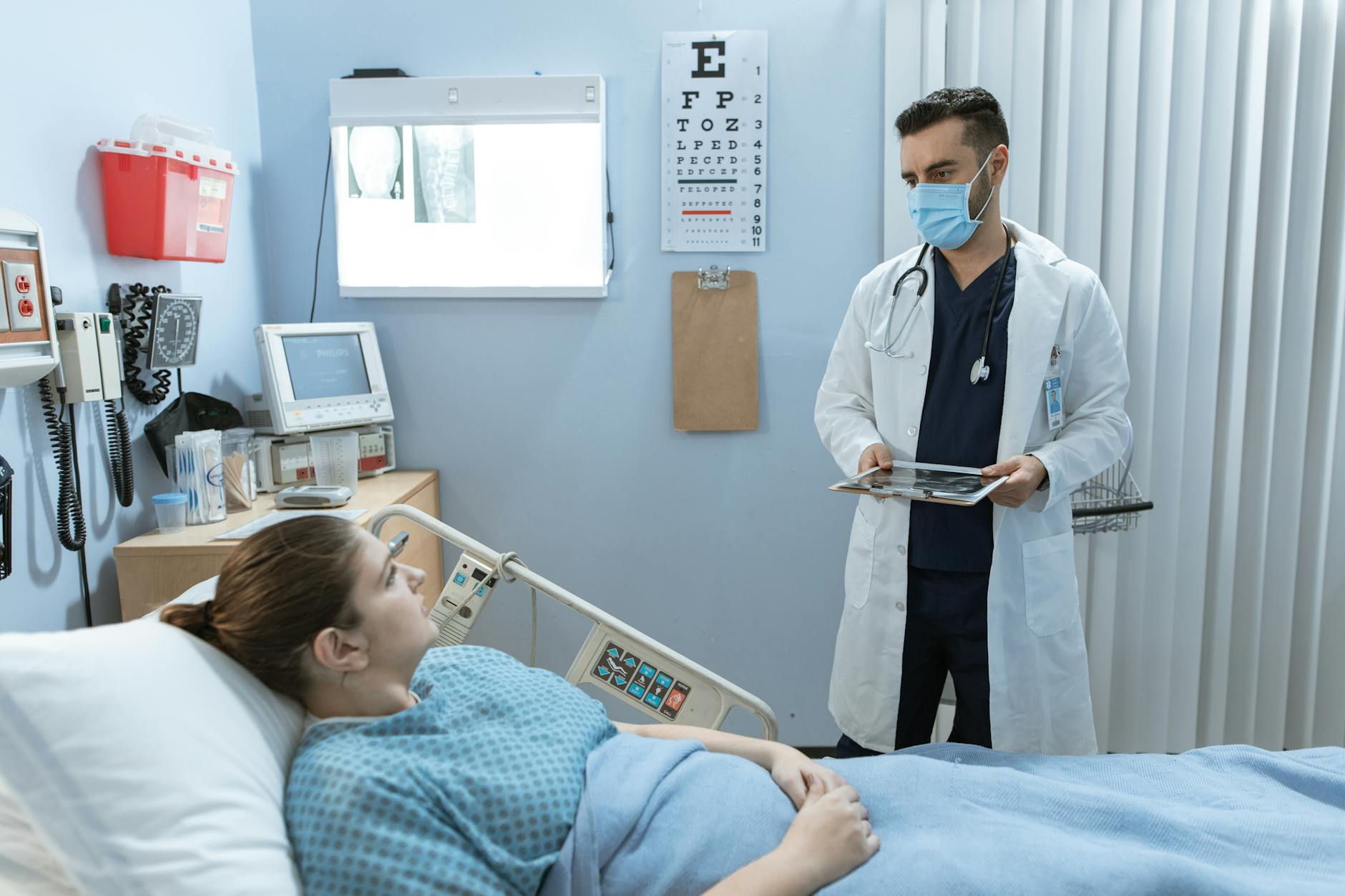
The opposition United Democratic Front (UDF) in Kerala formally pledged on February 15, 2026, to elevate the state’s flagship Karunya health insurance scheme coverage from ₹5 lakh to ₹10 lakh per family per year. UDF leader V. D. Satheesan announced this at a press conference in Thiruvananthapuram, directly targeting the Left Democratic Front (LDF) government’s popular social welfare program. This move sharpens the policy battle ahead of the April 2026 Kerala Assembly elections.
Currently, the Karunya scheme, launched in 2019, provides a sum insured of ₹5 lakhs for secondary and tertiary care treatments. It covers approximately 42 lakh beneficiary families across Kerala. The total annual budget allocation for the scheme in the 2025-26 fiscal year was ₹1,200 crore. The UDF’s proposal would effectively double the financial protection limit, addressing a key criticism about adequacy for complex procedures like organ transplants or long-term cancer care.
And the LDF government was not caught off guard. Within 48 hours, Finance Minister K. N. Balagopal outlined a counter-proposal on February 17. He stated the government would increase the number of empanelled hospitals under Karunya from the existing 195 to 395 by March 2027, significantly expanding access in tier-2 and tier-3 towns. The LDF manifesto also promises to merge the existing health insurance with the Ayushman Bharat PM-JAY scheme for a potential seamless national coverage, a technical integration the UDF plan does not mention.
The political context is critical. Kerala’s health indicators are among India’s best, with a low infant mortality rate of 7 per 1,000 live births (NFHS-5). But out-of-pocket expenditures remain high. A 2024 Public Health Foundation of India study showed Kerala’s average catastrophic health spending still pushed 18% of households into debt. The Karunya scheme is central to mitigating this. The UDF’s ₹10-lakh promise aims to cover more procedures currently paid out-of-pocket.
But the fiscal math is contentious. The UDF has not specified a funding source. The current scheme’s ₹1,200 crore cost is fully borne by the Kerala state government. Doubling the cover would likely require at least a proportional budget increase, potentially ₹2,400 crore annually. This would strain a state already managing a debt-to-GSDP ratio of over 38%. The LDF’s hospital expansion plan, while cheaper per family, still requires capital investment for network upgrades and audits.
A senior health department official, speaking on condition of anonymity, confirmed the technical feasibility of increasing the sum insured. “The software platform and provider network could handle a higher cover. The primary hurdle is the state’s fiscal capacity and claim inflation, which runs at 14% annually,” the official said. This claim inflation mirrors national trends; the general insurance sector reported a combined ratio of 102% in health for FY25, indicating claims exceeded premiums.
The welfare pension issue is intertwined. The UDF also promised to hike the social welfare pension from ₹1,600 to ₹2,500 monthly for 60 lakh beneficiaries. This ₹5,400 crore annual cost complicates their overall fiscal plan. The LDF’s counter-offer is a ₹200 increase to ₹1,800. Pension and health are the twin pillars of Kerala’s welfare model, and voters consistently rank them as top priorities.
What does this mean for insurers? The Karunya scheme is administered by the state through the Rashtriya Swasthya Bima Yojana (RSBY) platform, with claims settled by partnered insurers like National Insurance, New India Assurance, and United India Insurance. A higher sum insured would increase the insurers’ liability per claim. “A ₹10 lakh cover changes the risk pool for procedures like cardiac surgery or oncology. Premiums would need revision, or the state’s share of claims beyond ₹5 lakh would have to be explicitly defined,” said an actuary at a public sector insurer, requesting anonymity.
The timing is specific. Polls are expected in April 2026. These promises are part of preliminary manifestos. Final, detailed manifestos with full cost-benefit analyses are due by March 2026. Voters in constituencies like Ernakulam, Thrissur, and Kozhikode—with high elderly populations—will be key audiences for these announcements.
And the debate extends to implementation. The UDF accused the LDF of poor claim settlement, citing a 2025 CAG report noting 32% of empanelled hospitals lacked basic ICU facilities. The LDF rebutted by stating claim settlement ratio was 94% in 2025. This operational friction is as relevant as the coverage numbers themselves.
For the average Kerala family, the practical difference is stark. Under the current ₹5 lakh cover, a knee replacement surgery costing ₹4.5 lakh is fully covered. A complex multi-organ transplant at ₹15 lakh leaves a ₹10 lakh gap. The UDF’s promise would cover the full cost. But only if the state can afford the unbudgeted expense and if network hospitals accept the rates.
External link: For the official Karunya scheme details, see the Kerala Health Department’s portal.
The health insurance promise now dominates the early election narrative. It’s a battle of scale versus prudence. The UDF bets on a bold number to attract voters. The LDF counters with measured expansion. With the state’s 43% elderly dependency ratio, this isn’t just policy—it’s a direct appeal to household financial security. The election result on May 2, 2026, will determine which vision, and which fiscal reality, prevails.

