


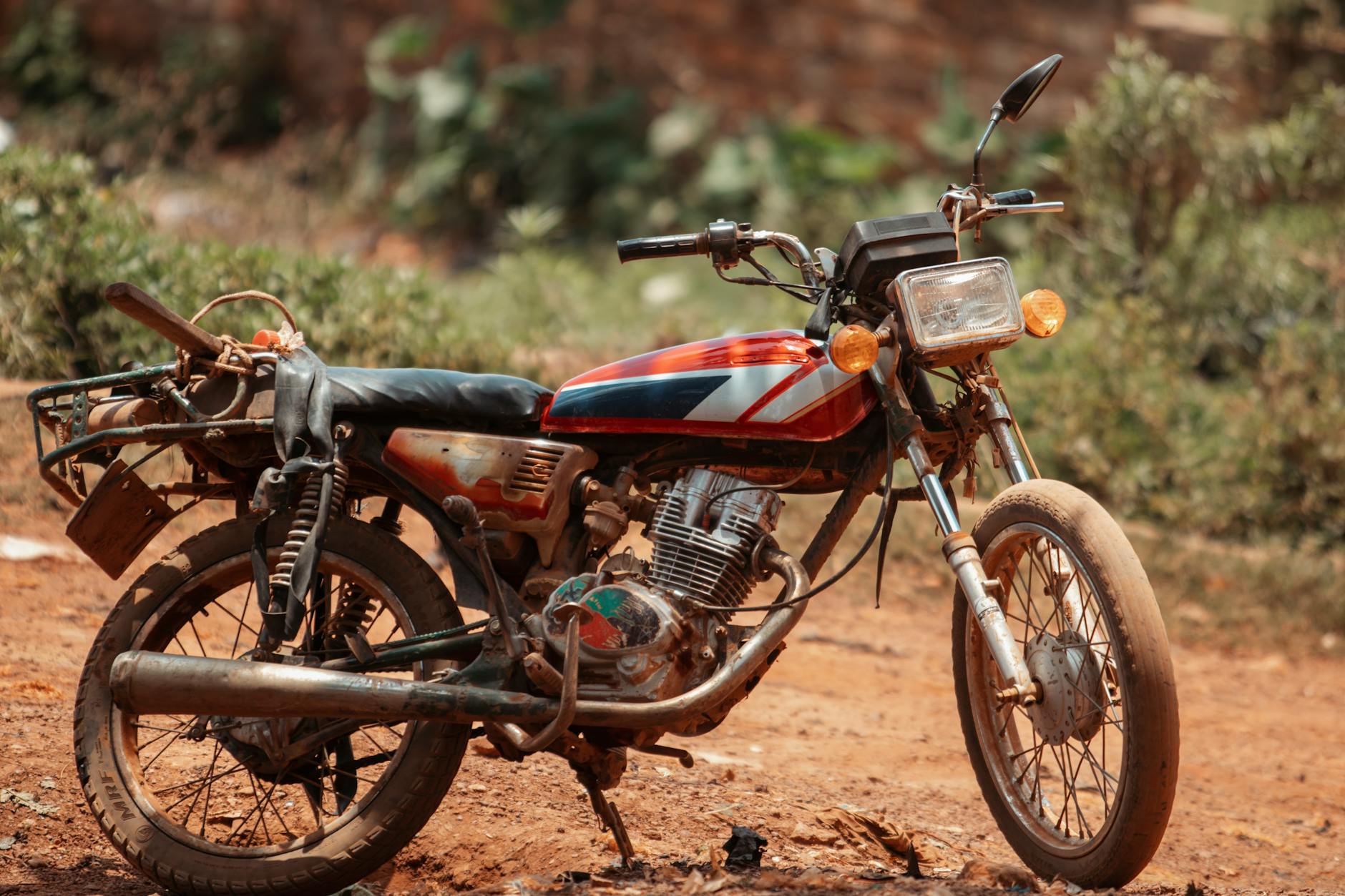
On Thursday, April 2, 2026, the Insurance Regulatory and Development Authority of India (IRDAI) published its revised annual premium rates for third-party bike insurance, triggering a fresh wave of policy renewals. For owners of a 2024 Hero Splendor Plus (106cc), the minimum third-party premium now stands at ₹1,022, a 4.5% increase from the 2025 rate. This change directly impacts millions of Indian two-wheeler owners who must legally renew their policy before the expiry date. Understanding the distinct types of bike insurance is no longer optional; it’s a financial necessity to avoid hefty fines under Section 185 of the Motor Vehicles Act.
The most basic and legally required form is a Third-Party Liability Only Policy. This covers damages or injuries you cause to another person’s vehicle or property, and injuries to third parties. The IRDAI fixed the premium for this cover based purely on your bike’s engine cubic capacity. For a 2023 Bajaj Pulsar NS200 (199.5cc), the third-party premium is ₹1,744 for the 2026-27 term. But this policy offers zero protection for your own bike’s repair costs after an accident or for theft. As Rajeev Bansal, a Delhi-based surveyor with The Oriental Insurance Company, stated in a recent industry webinar, “Many customers mistakenly believe third-party insurance covers their own bike. It does not. If your Pulsar is damaged in a collision, you pay ₹25,000 for repairs out of pocket.”
The second type, a Comprehensive Package Policy, is what most experts recommend. It bundles the mandatory third-party liability cover with Own Damage (OD) insurance for your own bike. This OD component protects against losses from accidents, fire, explosions, natural disasters, and theft. The premium here is calculated on the Insured Declared Value (IDV) of your bike, which is its current market value. For a 2022 TVS Apache RTR 200 4V (197.7cc) with an ex-showroom price of ₹1.58 lakh, the IDV after 4 years of depreciation (as per IRDAI’s schedule) would be approximately ₹1.12 lakh. The OD premium on this IDV at a 2.5% rate would be about ₹2,800. Adding the third-party premium and a ₹500 Miscellaneous Charge brings the comprehensive policy total to roughly ₹4,944 for the year. This single policy also enables you to avail the No Claim Bonus (NCB), a discount of up to 50% on the OD premium after five consecutive claim-free years.
The third category is a Standalone Own Damage Policy. Introduced by IRDAI, this allows you to buy only the own-damage cover if you already have a separate, active third-party policy, perhaps from a different insurer. The OD premium calculation is identical to the comprehensive policy’s OD component. For a new 2026 Royal Enfield Classic 350 (349cc) with an ex-showroom price of ₹1.85 lakh, the first-year IDV is 95% of that, or ₹1.76 lakh. The standalone OD premium at the standard 3% rate for new bikes would be ₹5,280. This option gained traction after a July 2025 IRDAI circular made it mandatory for insurers to offer this separate cover. It provides flexibility but requires managing two separate policy documents and payment dates.
Choosing between these types hinges on your bike’s age, value, and your risk tolerance. For a five-year-old Honda Activa 5G (125cc) with a market value of ₹40,000, the IDV would be low. The OD premium might be just ₹1,000. Here, a comprehensive policy at a total cost of ₹2,500 (including third-party) is highly advisable. The potential loss from a major accident or theft far exceeds the premium. Conversely, for a 12-year-old Bajaj Chetak (100cc) worth perhaps ₹15,000, an owner might opt for just the mandatory third-party cover at ₹900, accepting the risk to the old scooter’s value.
Crucially, the type of policy you hold determines your claim settlement process. With a comprehensive policy, you can immediately file an OD claim for your bike’s damages at any network garage. A third-party claim requires the other party to file first, leading to longer legal and investigation timelines. Data from the General Insurance Council of India for the quarter ending December 2025 shows that own-damage claims for two-wheelers constituted 34% of all motor claims by number but 52% by insured value, highlighting the financial scale of bike-specific losses.
Add-on covers further customize a comprehensive policy. A Zero Depreciation cover, available for bikes up to 5 years old, ensures the insurer pays the full cost of plastic and rubber parts without deducting depreciation. This add-on typically costs an extra 15-20% of the OD premium. For the Apache RTR 200 example, that’s an additional ₹420-₹560 annually. Other popular add-ons include Engine Protector (₹300-₹500 extra) for water logging damage, and Roadside Assistance (₹200-₹400) for towing and minor repairs. These must be purchased at policy inception.
The final decision must factor in your city’s risk profile. A 2026 IRDAI risk zoning document classifies Mumbai, Delhi, and Bengaluru as high-theft zones for two-wheelers, increasing the OD premium loading by 10-15% in these cities. A bike owner in Chennai (medium-risk zone) might pay 8% less for the same comprehensive policy. You must disclose your primary parking location honestly; non-disclosure can lead to claim rejection, as seen in the Bombay High Court case of *Suresh Kumar vs United India Insurance* from January 2026.
Therefore, the “best” policy is not universal. For a new, high-value bike like a 2026 KTM RC 390 (373.2cc, ex-showroom ₹3.2 lakh), a comprehensive policy with Zero Depreciation and Engine Protector is non-negotiable, costing over ₹12,000. For an old, low-value commuter bike, third-party alone may be a calculated risk. Always compare the combined premium for a comprehensive policy against the IDV of your bike. If the annual premium exceeds 8% of the bike’s IDV, insurers often advise dropping the OD cover for very old vehicles. Use the IRDAI’s online premium calculator on its portal to get precise, binding quotes before April 10, 2026, the last date for renewal without a break-in penalty under the new tariff.
finance news covers broader market trends affecting all insurance premiums. For context on auto claims impacting insurers’ bottom lines, see our report Insurers Lose ₹7,200 Crore in Q4FY26 Due to Auto Claims .

