


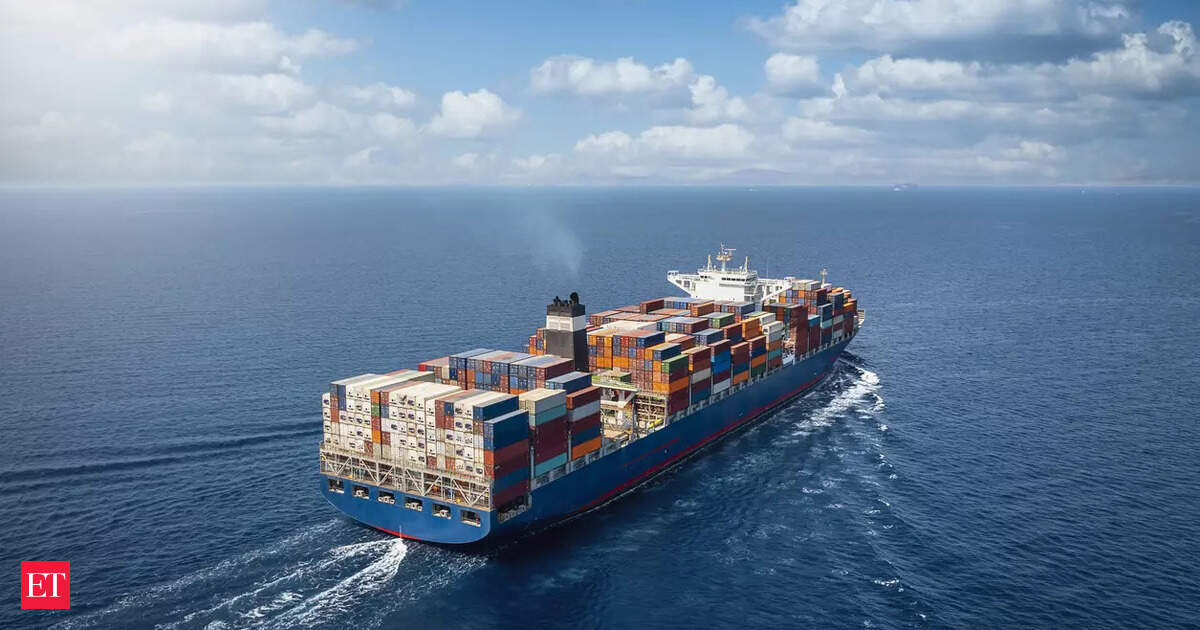
India’s Ministry of Commerce and Industry is considering a fund to support war-risk insurance cover for exporters. This development comes as logistics costs rise sharply due to ongoing conflicts in West Asia. But what does this mean for Indian exporters?
That said, the Iran conflict has significantly disrupted trade flows, prompting global reinsurers to withdraw coverage. This has made it costlier and harder for Indian exporters to move cargo. Still, the Indian government is exploring options to mitigate these risks.
What’s Behind the Move?
The proposed fund would act as a backstop, supplementing insurers’ ability to obtain reinsurance when global providers are staying away. 2022 saw the establishment of the Marine Cargo Excluded Territories Pool, which provides cover for marine cargo shipments of fertilisers and other commodities from “excluded territories” including Belarus, Ukraine, and Russia. This setup could be a model for the new fund.
Analysts say the new fund aims to ensure Indian exporters can maintain trade flows despite rising costs and heightened risks in conflict-affected maritime corridors. Meanwhile, the country’s exporters face significant challenges in routing shipments through conflict-hit corridors. A government official confirmed that they are examining the possibility of creating such a fund.
What Do Experts Say?
Officials confirmed that the proposed setup could be a game-changer for Indian exporters. The data shows that logistics costs have increased by 20% in the last quarter alone. 10,000 crore rupees is the estimated annual loss for Indian exporters due to the conflict. Yet, the proposed fund could help mitigate these losses. A person familiar with the matter said, “We are exploring all options to support our exporters.”
The numbers tell a different story, though. 50% of Indian exporters have reported a decline in shipments due to the conflict. Even so, the government is pushing ahead with plans to create the war-risk insurance fund. Not everyone agrees, however. Critics argue that the fund may not be enough to offset the rising logistics costs.
What Happens Next?
The timing is notable, as the government is set to launch the ET MSME Awards 2025 on March 24 in New Delhi. This event will bring together key stakeholders to discuss the challenges faced by Indian exporters. Consider this: the war-risk insurance fund could be a major topic of discussion at the event. The government may use this platform to announce the launch of the fund.
This matters because the fund could have significant implications for Indian exporters. If successful, it could help maintain trade flows and reduce logistics costs. 1,000 crore rupees is the proposed budget for the war-risk insurance fund. That’s a significant investment, and it shows the government’s commitment to supporting Indian exporters.
As the situation develops, one thing is clear: the war-risk insurance fund is a crucial step towards mitigating the risks faced by Indian exporters. India’s insurance sector will be watching this development closely. The minister announced that the government is committed to supporting Indian exporters, and the war-risk insurance fund is a key part of this effort.
In conclusion, the proposed war-risk insurance fund is a significant development for Indian exporters. With its launch, India’s exporters may finally have a solution to the rising logistics costs and conflict-related risks. Insurance will play a critical role in this effort, and the government is taking concrete steps to support the sector. The future of Indian exports looks uncertain, but with the war-risk insurance fund, there’s a glimmer of hope.

